If you’ve already dealt with a wet basement once, you already know you don’t want to go through it again. That’s exactly where basement waterproofing comes in. At All Pro Restoration, we help Central Massachusetts homeowners stop water damage before it starts, instead of just cleaning up after it happens.
In this guide, we’ll walk through why basement waterproofing matters, the methods that actually work, and how to decide between a DIY fix and a professional solution. By the end, you’ll know exactly how to protect your home going forward.
Key Takeaways
- Basement waterproofing is one of the most effective ways to prevent long-term water damage to your home’s structure and foundation.
- Waterproofing methods fall into two categories: interior, which manages water after it enters, and exterior, which blocks it before it arrives.
- Common methods include waterproofing membranes, sealants, French drains, sump pumps, and crack injection.
- DIY waterproofing can help with minor issues, but persistent water damage usually calls for a professional-grade solution.
- Cost and lifespan vary by method, but investing now is almost always cheaper than repairing water damage later.
Why Basement Waterproofing Matters
First, let’s talk about why this matters so much. Basement waterproofing isn’t just about keeping your floor dry. It’s about preventing water damage before it has a chance to spread into your walls, flooring, and belongings. Left untreated, that same moisture can also lead to mold growth and, over time, foundation problems.
In fact, we’ve already covered many of the common causes of basement flooding, and waterproofing is essentially the answer to nearly all of them. Instead of reacting to flooding after it happens, waterproofing gets ahead of it. At All Pro Restoration, prevention is always our first recommendation.
Signs Your Basement Needs Waterproofing
So, how do you know if it’s time? A few common signs include a musty odor that won’t go away, visible dampness on walls or floors, white chalky deposits called efflorescence, and paint that’s peeling or bubbling. Repeated minor flooding after storms is another clear signal. If any of this sounds familiar, waterproofing should be next on your list.
Interior vs. Exterior Basement Waterproofing — What's the Difference?
Next, it helps to understand your two main options. Interior basement waterproofing manages water after it enters, using drainage systems, sump pumps, and interior sealants. It’s typically less invasive and lower in cost.
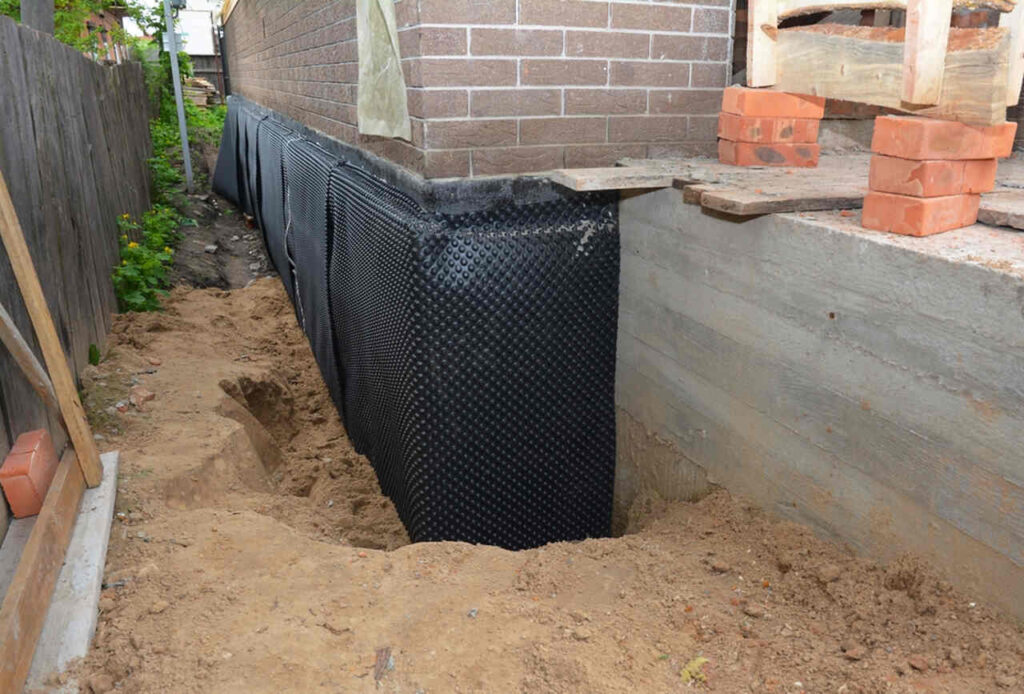
Exterior basement waterproofing, on the other hand, stops water before it ever reaches your foundation. This usually involves membranes and exterior drainage systems. It costs more and takes more work upfront, but it’s often more effective long-term. Which one makes sense for your home really depends on your specific situation, which is why a professional assessment goes a long way.
Not Sure Which Waterproofing Method Is Right for Your Home?
Basement Waterproofing Methods
Now, let’s get into the methods themselves. Depending on your basement’s condition, one or more of these approaches may apply.
Waterproofing Membranes and Coatings
Now, let’s get into the methods themselves. Depending on your basement’s condition, one or more of these approaches may apply.
Basement Waterproofing Paint and Sealants
This interior option is easy to apply, but it’s important to know its limits. Waterproofing paint works well for minor moisture, but it won’t fix an active leak or a structural crack.
French Drains and Interior Drainage Systems
A French drain redirects water away from your foundation or toward a sump pump, rather than letting it pool where it can cause damage.
Sump Pump Installation
If your basement has flooded before due to sump pump failure, upgrading or installing a new system is often the fix. This is one of the most common causes of basement flooding we see across Central Massachusetts.
Foundation Crack Injection
Small foundation cracks are a common entry point for water. Injecting and sealing them is a key part of a complete waterproofing plan, and it’s something our team addresses as part of every foundation water damage assessment.
Can You Waterproof a Basement Yourself?
It’s a fair question, and the honest answer is: sometimes. DIY basement waterproofing can work for minor issues, like applying sealant paint, caulking small gaps, or improving your gutters and grading. These small steps genuinely help.
That said, DIY methods usually can’t fix active leaks, structural cracks, or a high water table. In these cases, a DIY approach might delay water damage, but it won’t fully prevent it.
When to Hire a Professional for Basement Waterproofing
So when should you call in a professional? Recurring flooding, visible structural cracks, mold growth, or a known high water table are all strong signs. It also helps to start with a professional water damage inspection first, so you know exactly what you’re dealing with before choosing a waterproofing method. All Pro Restoration offers both services, so your plan is based on real findings, not guesswork.
Protect Your Basement Before the Next Storm
How Much Does Basement Waterproofing Cost?
Costs vary depending on the method you choose. Interior sealants and drainage systems tend to cost less, while exterior membrane systems cost more due to the labor involved. Either way, it’s worth comparing that cost against the alternative: repeated water damage repairs, mold remediation, or foundation repair down the line.
How Long Does Basement Waterproofing Last?
Generally speaking, basement waterproofing can last for many years, though the exact lifespan depends on the method used and how well it’s maintained. Keeping your gutters clean, your grading correct, and your sump pump in good working order all help extend that lifespan.
Frequently Asked Questions
How do I waterproof a basement from the inside?
Interior basement waterproofing usually involves sealants, an interior drainage system, and a working sump pump. These work together to manage water once it enters, keeping it away from your walls and flooring.
Can you waterproof a basement yourself?
Yes, for minor issues. Sealant paint, caulking, and better grading can help. However, active leaks, structural cracks, or a high water table usually require a professional-grade waterproofing solution.
How much does it cost to waterproof a basement?
Cost depends on the method. Interior sealants and drainage systems are generally more affordable, while exterior membrane systems cost more but often last longer and prevent water damage more effectively.
How long does basement waterproofing last?
Basement waterproofing can last many years, depending on the method and ongoing maintenance. Clean gutters, proper grading, and a well-maintained sump pump all help extend its lifespan.
Do I need to waterproof my basement if it hasn't flooded yet?
Yes. Basement waterproofing works best as prevention, not just a reaction. Addressing risk factors early is almost always more affordable than repairing water damage after it happens.
Don't Wait for Water Damage to Force Your Hand
Basement waterproofing is one of the smartest investments a homeowner can make. It protects your foundation, prevents mold, and saves you from costly water damage repairs down the road. If your Central Massachusetts basement shows any warning signs, don’t wait for the next storm to find out how serious it is. Contact All Pro Restoration today to schedule a waterproofing consultation and take the first step toward a drier, safer home.