If you’ve noticed a crack along your basement wall, a persistent musty smell, or a floor that suddenly feels a little uneven, it’s natural to wonder whether something more serious is going on. At All Pro Restoration, one of the questions we hear most from Central Massachusetts homeowners is whether foundation water damage is really something to worry about — and the honest answer is yes, it absolutely can be.
Foundation water damage doesn’t usually happen overnight. It builds gradually, often out of sight, until small warning signs turn into costly structural problems. In this guide, we’ll walk you through how foundation water damage happens, the signs to watch for, why Central Massachusetts homes face unique risk factors, and what to do if you suspect your foundation has already been affected.
Key Takeaways
- Foundation water damage happens gradually through hydrostatic pressure, soil erosion, and freeze-thaw cycles — not just major flooding.
- Warning signs include horizontal cracks, bowing walls, musty odors, uneven floors, and sticking doors or windows.
- Central Massachusetts’ clay-heavy soil and seasonal freeze-thaw cycles make local homes especially vulnerable.
- Horizontal cracks and active moisture point to water-related damage; small vertical cracks are usually normal settling.
- Early professional assessment is the most reliable way to prevent minor foundation water damage from becoming a major structural repair.
What Is Foundation Water Damage?
Foundation water damage refers to the structural weakening that occurs when water infiltrates, surrounds, or pressures the concrete or masonry that supports your home. It can range from minor cosmetic issues, like surface staining, to serious structural concerns, like cracking, bowing, or shifting.
The key difference is this: cosmetic water exposure affects only the surface of the foundation, while structural foundation water damage compromises the integrity of the material itself. Understanding which one you’re dealing with is the first step toward protecting your home.
How Water Damage Leads to Foundation Problems
Foundation water damage rarely comes from a single dramatic event. More often, it’s the result of ongoing conditions around your home:
- Hydrostatic pressure: When soil around your foundation becomes saturated, water builds up and pushes against your foundation walls, eventually causing cracks or bowing.
- Soil erosion: Water can gradually wash away the soil that supports your foundation, leading to uneven settling and shifting.
- Freeze-thaw cycles: Water that seeps into small cracks expands as it freezes, widening the cracks each winter.
- Prolonged moisture exposure: Consistent dampness slowly weakens concrete and masonry over months or years, even without a single major flood.
Signs of Foundation Water Damage to Watch For
Catching foundation water damage early can save you thousands of dollars in repairs. Here are the most common signs of foundation water damage to watch for in your home:
- Horizontal cracks in foundation walls
- Bowing or inward-leaning basement walls
- A persistent musty smell or dampness in the basement
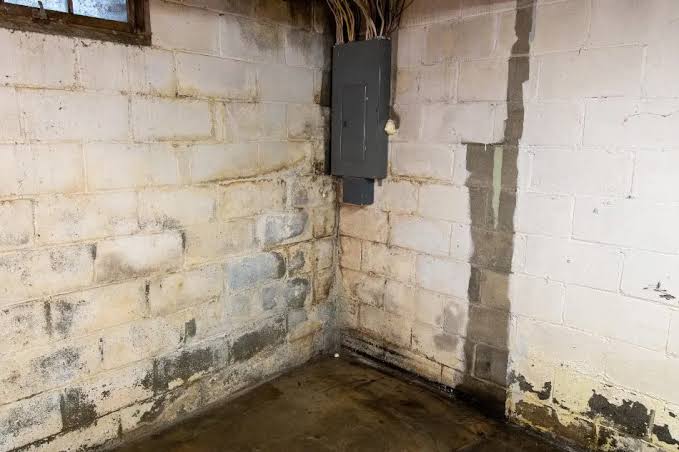
- Water stains or white, chalky mineral deposits (efflorescence) on walls
- Uneven or sloping floors
- Doors and windows that stick or no longer close properly
- Visible gaps between walls and the ceiling or floor
If you’re noticing more than one of these signs at the same time, it’s a strong indicator that foundation water damage — not simple wear and tear — may be the underlying cause.
Not Sure If It's Foundation Water Damage?
Why Central Massachusetts Homes Are Especially at Risk
Foundation water damage isn’t unique to Central Massachusetts, but several local conditions make homes in this region more vulnerable than average:
- Clay-heavy soil: Much of Worcester County sits on clay-rich soil, which expands when saturated and contracts when dry — putting repeated stress on foundations.
- Spring thaw and snowmelt: As winter snowpack melts quickly each spring, the ground becomes saturated faster than it can drain, increasing hydrostatic pressure.
- Freeze-thaw cycles: Central Massachusetts winters bring repeated freezing and thawing, which steadily widens existing cracks.
- Seasonal rainfall: Heavy spring and fall storms common to New England add to the moisture load around foundations throughout the year.
Because of these regional factors, we recommend Central Massachusetts homeowners inspect their foundations more proactively than homeowners in drier climates might need to.
Foundation Water Damage vs. Normal Settling — How to Tell the Difference
Not every crack is cause for alarm. Here’s how to tell foundation water damage apart from normal home settling:
- Normal settling: small, vertical cracks of consistent width, with no active moisture or odor.
- Foundation water damage: horizontal cracks, bowing walls, active dampness, or cracks that visibly widen over time.
If you’re uncertain which category your foundation falls into, it’s always safer to have a professional evaluate it rather than assume the less serious explanation.
What to Do If You Suspect Foundation Water Damage
If you notice any of the warning signs above, here’s what we recommend:
- Don’t ignore small cracks or damp spots — they rarely resolve on their own.
- Document what you see with photos and notes, including dates, for insurance purposes.
- Avoid DIY sealing on active structural cracks, which can mask a problem without fixing it.
- Monitor changes closely, but call a professional promptly if cracks widen or new symptoms appear.
Foundation Water Damage Repair: When to Call the Professionals
A professional foundation water damage repair assessment typically includes identifying the moisture source, evaluating the extent of structural impact, and addressing both the water intrusion and any resulting damage — not just the visible symptoms.
Early intervention matters. The longer foundation water damage goes untreated, the more it tends to spread, and the more expensive repairs typically become. At All Pro Restoration, our team handles water extraction, moisture control, and structural drying so your foundation — and the rest of your home — stays protected.
Frequently Asked Questions
Can water damage affect your home's foundation?
Yes. Water that pools or seeps around your foundation can create hydrostatic pressure, erode supporting soil, and weaken concrete over time — all of which can lead to cracking, bowing, or shifting.
How do you know if water damage has affected your foundation?
Common signs include horizontal cracks, bowing basement walls, musty odors, uneven floors, and doors or windows that no longer close properly. If you notice several of these at once, it's worth having your foundation professionally evaluated.
Is foundation water damage covered by insurance in Massachusetts?
Coverage varies by policy and cause of damage, so it's best to review your specific policy or speak with your insurance provider. In general, sudden and accidental damage is more likely to be covered than damage caused by long-term neglect.
How much water exposure does it take to damage a foundation?
It doesn't require a major flood. Chronic, low-level moisture exposure over months or years can be just as damaging as a single large water event, since it steadily weakens concrete and increases hydrostatic pressure.
How do I tell the difference between foundation water damage and normal settling?
Normal settling usually shows up as small, vertical cracks of consistent width with no moisture involved. Foundation water damage tends to involve horizontal cracks, bowing walls, or active dampness — and often gets worse over time.
A Small Crack Today Can Mean a Major Repair Tomorrow — Don't Wait to Find Ou
Foundation water damage rarely announces itself all at once — it builds quietly through hydrostatic pressure, seasonal freeze-thaw cycles, and moisture you may not even notice yet. The good news is that catching it early almost always means a simpler, more affordable fix. If you’ve spotted cracks, dampness, or shifting in your home, All Pro Restoration is ready to help Central Massachusetts homeowners get a clear answer and a real plan forward.
Contact us today for a free foundation assessment and protect your home before a small issue becomes a costly one.
One Response