
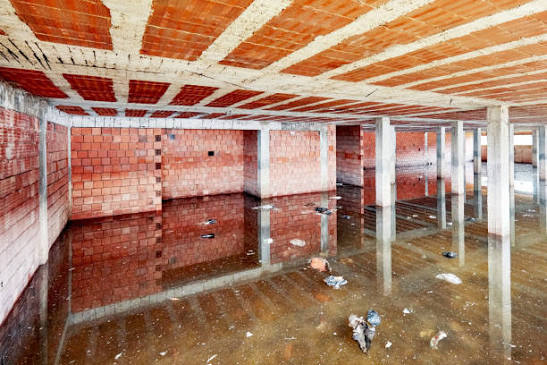
Few things are more unsettling than heading downstairs and stepping into standing water. Whether it happens during a major storm or seemingly out of nowhere on a dry afternoon, basement flooding causes are rarely as simple as “it rained too much.” At All Pro Restoration, we’ve seen firsthand how a combination of small, overlooked issues can turn into a flooded basement for Eastern Massachusetts homeowners.
In this guide, we’ll break down the most common basement flooding causes, explain why Eastern Massachusetts homes face some unique regional risks, and walk you through practical ways to prevent flooding before it starts.
Key Takeaways
- Basement flooding causes range from heavy rainfall and poor drainage to sump pump failure and foundation cracks.
- Eastern Massachusetts homes face added risk from coastal storms, nor’easters, and naturally high water tables.
- Some basement flooding causes have nothing to do with rain — sewer backups and groundwater intrusion can happen anytime.
- Identifying the specific cause is essential before attempting any repair or prevention method.
- Proactive maintenance — gutters, grading, and sump pump checks — prevents the majority of basement flooding incidents.
What Causes Basement Flooding?
At its core, basement flooding happens when water finds the path of least resistance into the lowest point of your home. The specific basement flooding causes generally fall into two broad categories: water coming from outside the home — like rain, groundwater, or poor drainage — and system failures inside the home, like a sump pump or sewer backup. Understanding which category applies to your situation is the first step toward a lasting fix. For a broader look at how water damage develops throughout an entire home, see our guide on the top causes of water damage in Eastern Massachusetts homes.
Heavy Rainfall and Poor Drainage
Heavy rainfall is one of the most familiar basement flooding causes, but it’s rarely the rain alone that’s the problem — it’s what happens to that water once it hits the ground. When soil around your home becomes saturated, water has nowhere to go but toward the path of least resistance, which is often your foundation. Downspouts that release water too close to the house make this worse, funneling large volumes of runoff directly toward the basement walls instead of away from them.
Clogged Gutters and Improper Grading
Clogged gutters are a surprisingly common contributor to basement flooding. When gutters back up, water overflows and pools right at the foundation instead of being carried safely away. Improper grading compounds the problem — if the soil around your home slopes toward the house rather than away from it, rainwater is essentially directed straight into your basement.
- Quick check: walk the perimeter of your home after a rainstorm and look for pooling water near the foundation — this is often the first visible sign of a grading or gutter issue.
Sump Pump Failure
Sump pump failure is one of the most dramatic basement flooding causes because it tends to produce a sudden, large volume of water rather than a slow leak. Common reasons sump pumps fail include power outages during storms, pump capacity being overwhelmed by heavy inflow, lack of routine maintenance, and simple equipment age. A battery backup system is one of the most effective ways to prevent sump pump failure from becoming a full basement flood, especially during storms that knock out power.
Already Dealing With a Flooded Basement?
Foundation Cracks and Structural Gaps
Small, untreated foundation cracks are easy to overlook until they become a consistent entry point for water. Over time, hydrostatic pressure and freeze-thaw cycles can widen these cracks, allowing more water in with every storm. For a closer look at how this process works, see our guide on foundation water damage and what Central Massachusetts homeowners need to know — the same mechanisms apply throughout the state. Window wells are another commonly overlooked entry point, especially when they aren’t properly sealed or drained.
Sewer Backups
Unlike most basement flooding causes on this list, sewer backups aren’t always tied to weather. Aging municipal sewer systems, tree root intrusion into pipes, and system overload during heavy storms can all cause wastewater to back up into your basement. It’s important to note that sewer backup water is considered contaminated and poses health risks, which makes professional cleanup — rather than a DIY approach — the safer choice.
High Water Table and Groundwater Intrusion
A “high water table” simply means the level of groundwater beneath your property sits closer to the surface than average. When the water table rises — often seasonally — groundwater can seep directly through basement floors and walls, even on a completely dry day. This is one of the few basement flooding causes that can catch homeowners off guard, since there’s no obvious storm or leak to point to.
Why Eastern Massachusetts Homes Face Unique Basement Flooding Risks
Basement flooding can happen anywhere, but several regional factors make Eastern Massachusetts homes especially prone to it:
- Coastal proximity: Many Eastern Massachusetts communities sit close to sea level, contributing to naturally high water tables in the surrounding soil.
- Nor’easters: These powerful coastal storms bring intense rainfall and, in some areas, storm surge — a combination that overwhelms drainage systems quickly.
- Aging infrastructure: Many older homes and municipal sewer systems throughout Eastern Massachusetts were not built for today’s storm volumes.
- Hurricane season: Late-summer and fall tropical storm remnants add another layer of seasonal flooding risk to the region.
Because of these combined factors, we generally recommend Eastern Massachusetts homeowners take a more proactive approach to basement flood prevention than homeowners in inland, higher-elevation areas.
Protect Your Basement Before the Next Storm
How to Prevent Basement Flooding
Most basement flooding causes can be significantly reduced with regular maintenance:
- Clean gutters regularly and extend downspouts at least several feet away from the foundation.
- Regrade soil so it slopes away from the house rather than toward it.
- Test your sump pump regularly and install a battery backup for storm-related power outages.
- Seal small foundation cracks before they widen into larger entry points.
- Schedule periodic sewer line inspections, especially in older homes or areas with mature trees nearby.
Frequently Asked Questions
Why does my basement flood every time it rains?
This usually points to a drainage issue — clogged gutters, downspouts releasing water too close to the foundation, or grading that slopes toward the house instead of away from it. All three funnel rainwater directly toward your basement walls.
Why does my basement flood without rain?
Basement flooding without rain is often caused by a high water table, groundwater intrusion, or a sewer backup — none of which depend on current weather conditions. A sump pump failure can also cause flooding on an otherwise dry day.
What is the most common cause of basement flooding?
Heavy rainfall combined with poor drainage is generally the most common cause, though the specific basement flooding causes affecting your home can vary based on your foundation's condition, grading, and local water table.
Can a cracked foundation cause basement flooding?
Yes. Even small foundation cracks can become entry points for water, especially as hydrostatic pressure and freeze-thaw cycles widen them over time. Sealing cracks early helps prevent this from becoming an ongoing flooding source.
How do I stop my basement from flooding?
Start with the basics: clean your gutters, extend downspouts away from the foundation, regrade sloped soil, and make sure your sump pump is tested and backed up with battery power. For recurring or severe flooding, a professional assessment can identify less obvious causes like a high water table or sewer backup.
Don't Wait for the Next Storm to Find Out Your Basement Isn't Protected
Basement flooding rarely gives much warning, and by the time water is visible, the damage is often already spreading into your walls, flooring, and belongings.
Whether you’re dealing with flooding right now or want to get ahead of it before the next nor’easter rolls through, All Pro Restoration is here to help. Our team provides fast, professional basement flood cleanup and prevention support across Eastern Massachusetts — so you can stop guessing what’s causing the problem and start protecting your home for good.
Contact us today for a free estimate and let’s make sure your basement stays dry, no matter what the forecast brings.
2 Responses