Most homeowners don’t think much about their plumbing until something goes wrong. Unfortunately, by then, the damage is often already done. That’s the frustrating part about plumbing problems that cause water damage: they’re rarely obvious until a leak has been quietly spreading for days, weeks, or even longer. At All Pro Restoration, we see this pattern constantly with Central Massachusetts homeowners.
In this guide, we’ll walk through the most common plumbing problems that cause water damage, why Central Massachusetts homes face some added risk, and the warning signs that tell you it’s time to take action.
Key Takeaways
- Plumbing problems that cause water damage range from sudden burst pipes to slow, hidden leaks that go unnoticed for weeks.
- Aging infrastructure and freeze-thaw cycles make Central Massachusetts homes especially vulnerable to plumbing-related water damage.
- Even a small, slow leak can cause significant water damage if left untreated.
- Common warning signs include unexplained water bills, musty odors, and soft or discolored flooring.
- Catching plumbing issues early is far less costly than repairing water damage after the fact.
How Plumbing Problems Lead to Water Damage
First, it helps to understand the bigger picture. Plumbing water damage isn’t always dramatic. Sometimes it’s a sudden burst pipe flooding a room in minutes. Other times, it’s a slow drip that goes unnoticed for months. Either way, the end result is the same: water finds its way into places it shouldn’t be, and the damage compounds the longer it goes untreated.
Below, we’ll walk through the most common plumbing problems that cause water damage in Central Massachusetts homes, starting with the most sudden and ending with the most easily overlooked.
Burst Pipes
Burst pipes are often the most dramatic plumbing problems that cause water damage. Common causes include freezing temperatures, high water pressure, and simply aging pipe material that can no longer hold up. Because burst pipes release water quickly and in large volumes, response time matters. The faster water is extracted, the less damage it causes.
Corroded or Aging Pipes
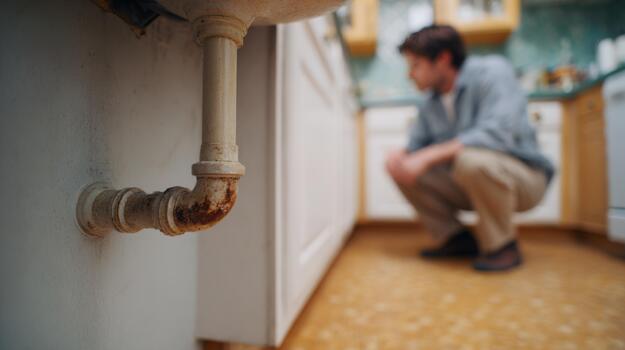
Next, let’s talk about corrosion. Over time, pipe material naturally degrades, especially in older Central Massachusetts homes. Unlike a burst pipe, corrosion usually causes slow, hard-to-detect leaks rather than obvious flooding. Keep an eye out for discoloration, reduced water pressure, or a metallic smell near pipes — these are early signs worth investigating.
Noticed a Leak? Don't Wait to Find Out How Bad It Is
Water Heater Leaks
Water heaters are another common culprit. Tank corrosion, loose fittings, and pressure valve issues can all lead to leaks. Since water heaters are often tucked away in basements or closets, leaks here can go unnoticed for a surprising amount of time. Checking your water heater’s age and condition periodically is a simple way to stay ahead of this one.
Supply Line and Appliance Hose Leaks
Then there are the smaller, everyday sources: washing machine supply hoses, dishwasher connections, under-sink supply lines, and toilet supply lines. Rubber hoses degrade over time, and fittings can loosen. Because these are “small” appliances, leaks here are often overlooked, yet they’re some of the most common plumbing problems that cause water damage in homes throughout the region.
Protect Your Basement Before the Next Storm
Slab Leaks
A slab leak happens when a pipe running beneath your home’s concrete foundation begins to leak. These are especially dangerous, since they’re often invisible until significant damage has already occurred. Watch for unexplained warm spots on flooring, unusually high water bills, or new cracks in your flooring. Any of these could point to a slab leak in progress.
Sewer Line Backups
Sewer line backups are a bit different from the plumbing issues above. Common causes include tree root intrusion, aging municipal lines, and simple clogs. It’s worth noting that sewer backup water is contaminated, unlike a clean water leak, which makes professional cleanup essential. This type of backup also overlaps with what we’ve covered in our guide on basement flooding causes in Eastern Massachusetts, since sewer issues are one of several ways basements end up flooded.
Why Central Massachusetts Homes Are Especially at Risk
So, why does this region see more than its fair share of plumbing water damage? A few local factors play a role:
- Aging housing stock: Many Central Massachusetts homes still have original or older plumbing systems, which are naturally more prone to corrosion.
- Frozen pipes: Winter temperatures regularly cause pipes to freeze and, in some cases, burst.
- Freeze-thaw cycles: Repeated temperature swings stress pipe joints and fittings over time, weakening them year after year.
If you want to prepare your home before the cold weather hits, our guide on preparing for frozen pipes season walks through exactly what to do.
Warning Signs of a Plumbing-Related Water Damage Problem
Finally, here’s what to watch for. Recognizing these signs early can save you from a much bigger repair down the road:
- An unexplained increase in your water bill
- Musty odors or visible mold growth
- Soft, warped, or discolored flooring
- Noticeably low water pressure
- Visible pipe corrosion or staining
It’s worth repeating: a slow leak can cause just as much water damage as a sudden one. The only difference is time. If you’re already seeing signs of mold, our mold remediation team can address that alongside the plumbing fix, so nothing gets missed.
Frequently Asked Questions
What plumbing problems cause water damage most often?
The most common culprits are burst pipes, corroded pipes, water heater leaks, and failing appliance supply lines. Each can cause significant damage, whether suddenly or gradually over time.
Can a slow leak cause water damage?
Yes. A slow leak can cause just as much damage as a sudden one. It simply takes longer, often leading to mold growth and structural issues before anyone notices.
How do I know if my pipes are causing water damage?
Watch for an unexplained rise in your water bill, musty odors, soft or discolored flooring, and low water pressure. Any of these can point to a hidden plumbing leak.
Is plumbing water damage covered by insurance?
Coverage depends on your specific policy and the cause of the leak. It's best to review your policy or speak with your provider, since sudden damage is often treated differently than gradual damage.
What should I do if I find a plumbing leak in my home?
Shut off the water source right away, document the damage with photos, and contact a professional promptly. Acting quickly limits how far the damage spreads.
A Small Leak Today Can Mean Major Water Damage Tomorrow
Plumbing problems that cause water damage rarely start big. They start small, quiet, and easy to miss, which is exactly why they end up causing so much damage by the time they’re discovered. If something feels off with your plumbing, don’t wait for it to get worse. Contact All Pro Restoration today to schedule a water damage inspection and catch the problem before it spreads.